
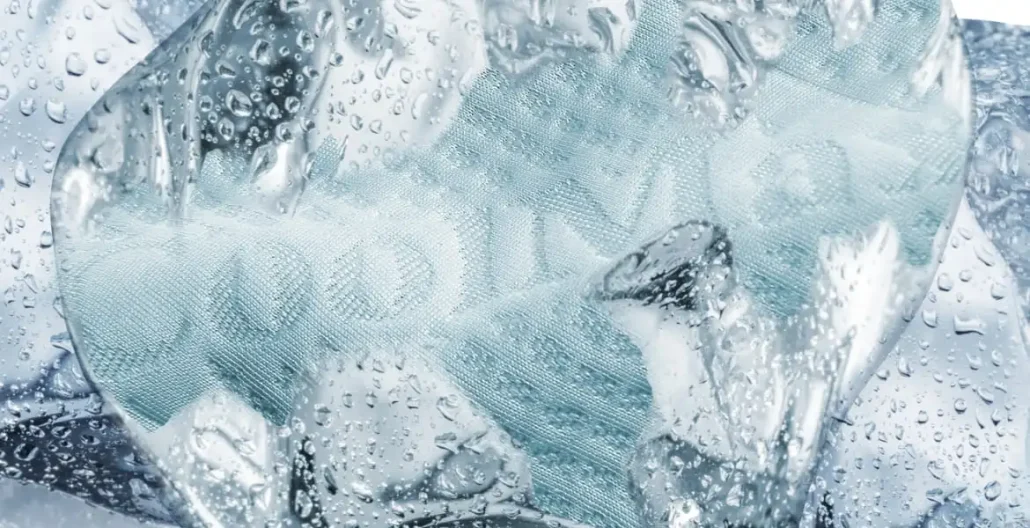
Cooling Sensation: The next frontier in Performance Textile Testing
Cooling Sensation: From Performance to User Experience
For many years, performance textiles have focused on familiar functional attributes such as:
- Moisture management
- Quick-dry performance
- Stretch and recovery
- Breathability
However, as these technologies become increasingly common, competition is shifting toward a new dimension: wearer experience.
One of the fastest-growing trends in performance apparel today is Cooling Sensation—the ability of a textile to create an immediate feeling of coolness when it comes into contact with the skin.
Consumers are no longer looking only for garments that perform better; they want products that feel better from the very first moment they are worn.
Why Are Brands Investing in Cooling Technologies?
The rapid growth of athleisure, activewear, and sportswear has transformed consumer expectations.
Today’s apparel is expected to perform across multiple environments—from workouts and outdoor activities to commuting, travel, and everyday life.
As a result, brands are increasingly seeking materials that deliver:
- Enhanced comfort
- Better thermal regulation
- Improved moisture management
- A cooler wearing experience
This trend is particularly relevant in warm climates and regions with high humidity, where thermal comfort can significantly influence consumer purchasing decisions.
Cooling Sensation Is More Than Just Temperature
One common misconception is that cooling performance depends solely on the actual temperature of a fabric.
In reality, cooling sensation is influenced by multiple factors, including:
- Thermal conductivity
- Moisture transport
- Fabric structure
- Surface design
- Finishing technologies
This means two fabrics exposed to the same environment may provide very different cooling perceptions to the wearer.
Cooling sensation is therefore both a scientific and sensory performance characteristic.
When Comfort Needs to Be Quantified
For global brands, cooling performance cannot rely solely on subjective feedback.
Product developers increasingly require objective data to:
- Compare different materials
- Evaluate finishing technologies
- Validate marketing claims
- Support product development decisions
- Ensure consistency across production batches
As a result, specialized testing methods are becoming essential tools for measuring and quantifying cooling performance.
The Expanding Role of Performance Testing
The rise of cooling technologies reflects a broader transformation within the textile industry.
Traditional testing programs have focused primarily on:
- Color fastness
- Dimensional stability
- Strength and durability
Today, performance testing increasingly includes characteristics that directly impact wearer comfort and experience, such as:
- Moisture management
- Thermal comfort
- Cooling sensation
- UV protection
- Stretch and recovery
- Breathability
This shift is making Performance Testing a critical component of modern product development.
The Future of Performance Textiles
The next generation of textile innovation will not be defined solely by materials or manufacturing technologies.
It will be defined by the ability to deliver superior user experiences.
This creates new opportunities for textile laboratories to play a more strategic role in evaluating, validating, and quantifying performance attributes that were once considered subjective.
Cooling sensation is just one example of a larger industry trend—the transition from testing product quality to testing product experience.
As brands continue to invest in consumer-centric innovation, performance testing will become increasingly important in transforming textile concepts into measurable and marketable product advantages.
Conclusion
Cooling sensation is rapidly becoming a key differentiator in performance apparel.
As consumers demand greater comfort and brands seek new ways to enhance product value, objective testing methods will play an essential role in evaluating and validating cooling technologies.
For textile manufacturers and laboratories, understanding and measuring cooling performance is no longer just an innovation opportunity—it is becoming an important part of the future of performance textiles.
Sign up for advice
- Hotline0938 078 338
- emailinfo@thachanhvang.com


